What Becomes Scarce When Software is Infinite?
The better agents get at writing code, the more my job becomes doing the part they can’t do.


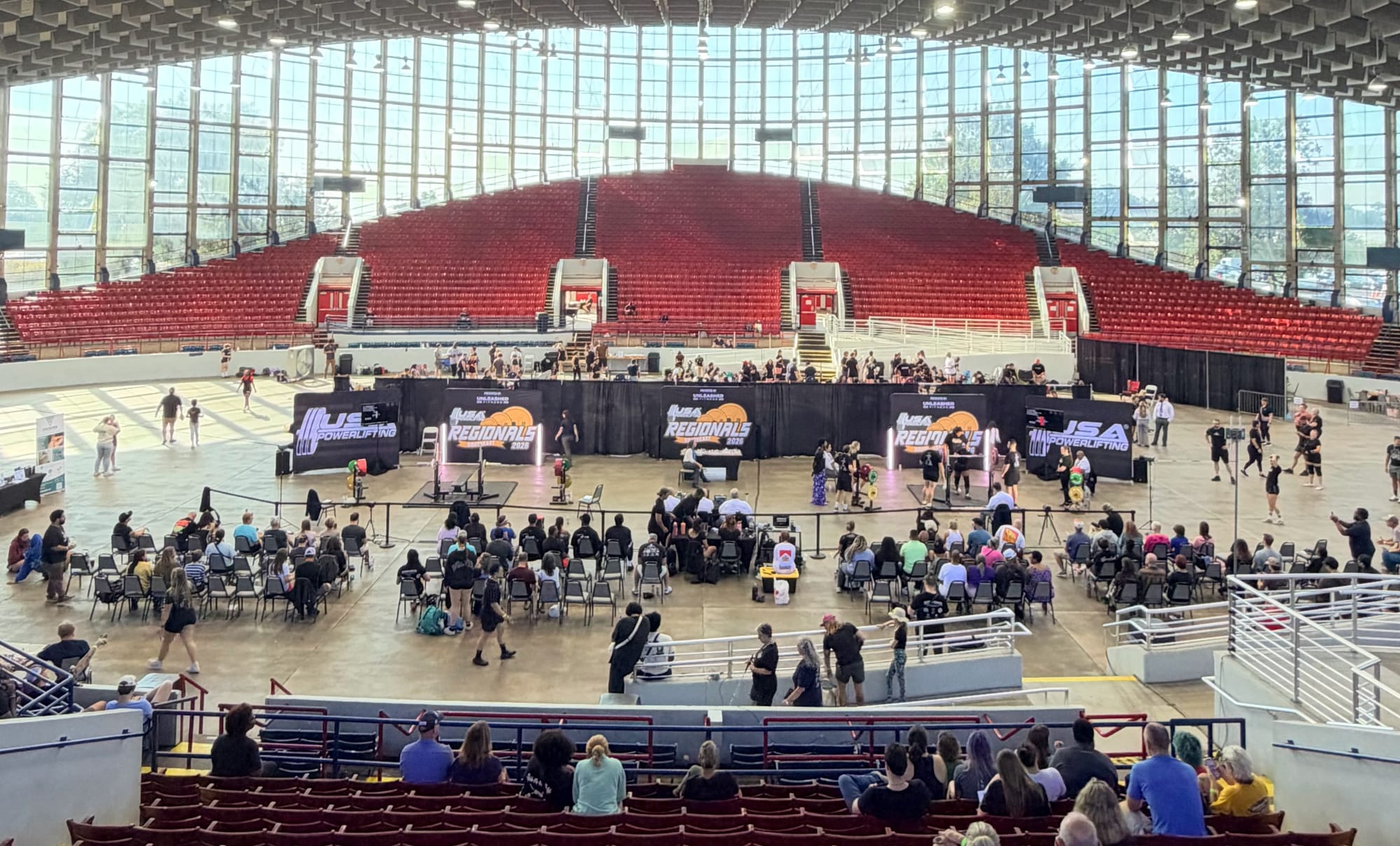
A couple of weeks ago, I purchased a vendor table at a powerlifting meet. I made t-shirts and printed postcards with QR codes. My goal was to spend the day talking to coaches and lifters about the app I've been building, and onboard a handful into my private beta.
So how did I end up here?
You might say it was because building the app turned out to be the easy part.
The Agent Hype is Real
The app is Repcast, a strength-training app for lifters and their coaches. I'm building it with the help of a fleet of AI agents. On a typical day, several coding agents work in parallel across Claude and ChatGPT, with a project management agent helping me keep track of what they're doing. It's not that different from running a product and engineering team. It's just that the team is all agents.
From my experience working with agents, the hype around them is very real. I've wanted to build this product for years, but I'm not a developer and I also didn't think this was a venture-scale idea that would warrant outside investment. But with AI, I can be a one-person company.
The only problem is... so can everyone else. If software is so easy to create, what will become of the software business?
Field notes from the real world
Once Repcast was usable, I started promoting it where I felt most comfortable: behind the keyboard. I looked for chances to post in powerlifting subreddits, but learned that most of them ban self-promotion. Strike one. Then I found local coaches and sent them carefully written emails. My reply rate? Zero. Strike two.
So I tried a different approach. I drove to a local gym, The Pit Unleashed in Hillsborough, hoping to meet the owner, Marcus Crowder. I brought my gym bag (plan B was to just work out), and wandered in. When Marcus walked over, I explained why I was there and asked for some of his time. He offered to chat after he finished his workout, so I worked out, too.
When we sat down, I told him my story and showed him the app. He signed up right there while we talked. Then he said something that stuck with me: "It's a good thing you stopped in. I get so many emails."
AI Makes Humans More Valuable, Not Less
Of course my emails went unanswered. Coaches are busy serving their athletes, and their inboxes are filling up with messages that now cost nothing to write. Mine looked like all the rest. Walking in the door didn't.
Encouraged, I booked the table at USAPL Southeast Regionals. I assembled some marketing materials, and spent the day not behind the table, but in front of it talking to lifters and coaches.
"Are you a coach?"
"Yes."
"What do you use to send programming to your lifters?"
"Just Google Sheets."
"Let me show you something..."
By the end of the first day, three coaches and a handful of athletes had created accounts.
So what becomes scarce when software is infinite? Everything that happens away from the keyboard. My agents can build faster than any human, but there's plenty they can't do. They can't show up on a Saturday and spend time with my customers. They can't drop in at their gym and work out with them. And the better agents get at writing code, the more my job becomes doing the part they can’t do.